New Features To Track Legislative Session

NDACo has added a couple new features to the blog to help you stay involved in the Legislative Session. You can view the list of bills NDACo is tracking and see the hearing schedule of those county identified bills. Both these lists automatically update, so you can check them often. There is a link by the hearing schedule that will allow you to download or print the schedule. It may be a good idea to bookmark the hearing schedule link as this will change daily.

You can access these resources a few ways:

NDACo Website: On the home page of the NDACo website, along the top green menu bar, look for the Click Here to See our New Bill and Schedule Tracking Tools

NDACo Legislative Blog: On the top menu bar on this site, click on the NDACo Legislative Hearing Schedule & Bill Tracking – which takes you to the NDACo website page. These items are also linked on the side menu of the Blog. It may also be a good idea to bookmark the hearing schedule as it will be updated daily.

Now onto the report….

It was an extremely busy week with the reading of bills and visiting with lawmakers about potential bills. There are about 396 bills that are out there but we expect that to grow greatly throughout the week so we will be working to get eyes on all the bills to determine if they relate to counties and how.

There were a couple hearings of interest this week. HB 1065 would change how prairie dog funds for townships are distributed – from an equal amount to based on miles. HB 1096 reduces the communication service fee to 1% allowing a greater % to be retained for the 9-1-1 system. SB 2093 expands the income tax deduction for retired Law Enforcement to surviving spouses.

This week… Two major property tax relief / reform proposals will have hearings. HB 1176 is Tuesday at 9 am in House Tax. This is the proposal Governor Armstrong pitched during his State of the State Address that includes a $1550 primary residence credit starting in 2025. It also expands the homestead tax credit. It includes levy limits of 3% and allows for a carry-over of unused % for up to 5 years. It does allow for a vote to go above the 3% cap – but only for one year. The other property tax bill is HB 1168 and proposes to send the relief through school funding formula. That bill also includes a 3% cap. That will be heard Wednesday at 9 am in House Finance & Tax. These hearings like all of the legislative hearings are live streamed and recorded. You can find them on the Legislative Council’s website www.legis.nd.gov

The other major event this week will be Gov. Armstrong providing his Budget to a joint House and Senate Appropriations hearing Tuesday at 9:30.

Property Taxes Relief & Reform Highlighted in State of State Address

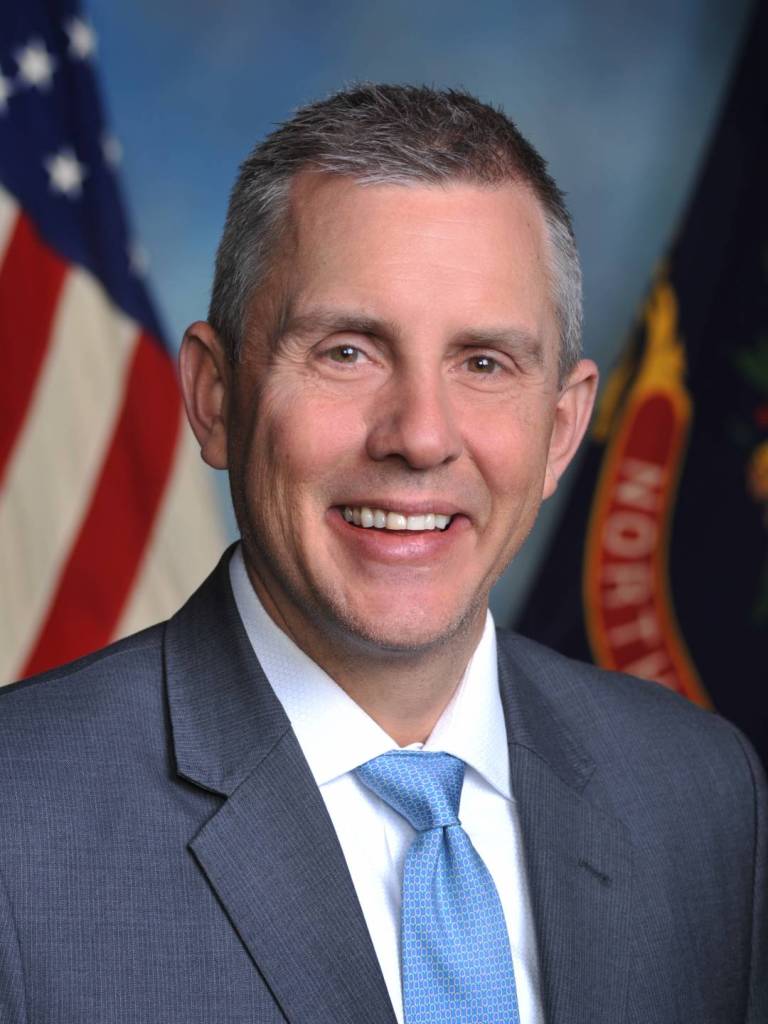
The Legislative Session kicked off today with Governor Kelly Armstrong delivering his first State of the State Address. The 34th Governor told lawmakers real property tax relief and reform must be the number one priority on the Legislature’s agenda. He called for delivering the most significant plan possible that can be both aggressive and durable.

Governor Armstrong provided some insight into what a plan should include:

  • Increase the existing Primary Residency Credit from $500 to $1,000 per year at a cost of about $310 million for the 2025-27 biennium.
  • Provide an additional $550 per primary residence credit by using a dedicated stream of the Legacy Fund earnings at a cost of $173 million next biennium.
  • The total combined primary residence relief would be up to $1550 per year in 2025-27.
  • Expansion of Homestead Tax Credit
  • Armstrong didn’t get into the details but did indicate the plan would include reform by capping future increases in local budgets at 3% and allowing for a carry-over of unused cap.

“We can afford it. The people of North Dakota are demanding it.” Armstrong said. “It creates Legacy Fund buy-in. And it is the single most impactful thing we can do for the citizens of North Dakota this session.”

“Today Governor Armstrong announced a bold vision for all North Dakotans. Building a state that is the best in the country to live, work and raise a family is a vision shared by county officials across the state. We look forward to working with the governor and the legislature to find the best way to fund essential services that are delivered by local governments,” stated NDACo Executive Director Aaron Birst.

While unofficial, we are hearing reports of there being 65 property tax bills being drafted. Governor Armstrong’s proposal is one of many that will be discussed.

Committee hearings are being held on a number of pre-filed bills Wednesday-Friday. While we don’t have a county-related specific schedule of these hearings you can see the full schedule here:

https://ndlegis.gov/sites/default/files/documents/housecommitteehearingreport.pdf: Property Taxes Relief & Reform Highlighted in State of State Address https://ndlegis.gov/sites/default/files/documents/senatecommitteehearingreport.pdf: Property Taxes Relief & Reform Highlighted in State of State Address

69th Legislative Session Starts this Week

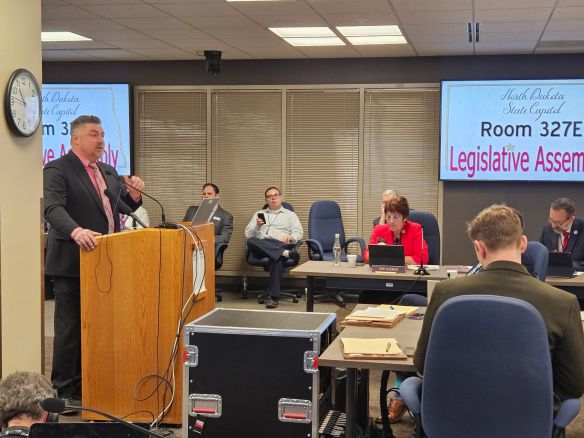
The Legislative Session kicks off Tuesday with several speeches to set the stage. Tribal-State Relationship at 10; State of Judiciary at 11; followed by Governor Kelly Armstrong’s State of the State Address at 1. You can watch all speeches live on the ND Legislative website. Make sure to bookmark http://www.ndlegis.gov that is where you can watch all bill hearings and floor sessions along with find information on how to contact your legislator and bill and schedule information. We encourage you to be involved!

NDACo will use this blog site to post weekly reports and upcoming hearing schedules for county-related bills. Make sure you are subscribed to receive updates when the blog is updated.

Below is a look at the leadership and committees for the 69th Legislative Session. Let the important work begin!

County Focused Election Summary

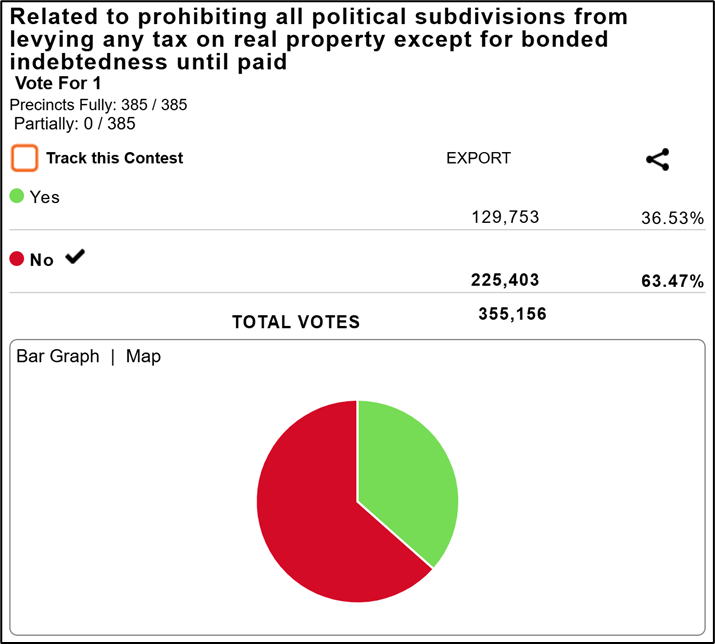
The General Election proved to be successful for North Dakota Counties with the defeat of Measure 4. 63% of voters were opposed to the measure to eliminate property taxes. A county-by-county analysis shows that the No vote was in the majority in all 53 counties, in some counties the No vote was as high as 75%.

“It was apparent during the campaign that North Dakotans are frustrated with property taxes but the defeat of Measure 4 signals that North Dakotans realize that proposal was not the answer,” said NDACo Executive Director Aaron Birst. “The failure of Measure 4 also indicates that ultimately citizens trust their local government to make budget decisions rather than the Legislature.”

NDACo joined the Keep It Local Coalition after NDACo members passed a resolution to oppose efforts to eliminate property taxes. Several other county member associations also joined in the efforts to inform voters about the importance of property taxes in funding local services.

“Many county members spent their own time to meet and inform North Dakota citizens about their concerns on Measure 4. Those efforts paid off. Thank you to all the county officials who used their voice to inform voters,” said Birst.

Property tax relief will be a top priority for the Legislature to address in the 2025 Session. It is certain legislators will bring forward various concepts for providing further relief to citizens, but we also recognize that limitations on the level of increase will also be part of the conversation. In a news conference the day after the Election, Governor-Elect Kelly Armstrong said property tax relief will be his number one priority and finding a level that is sustainable long-term is critical.

Voters also rejected Measure 5, to legalize marijuana, but more narrowly. The measure was defeated with a vote of 53% No to 47% Yes.  This is the third attempt to get voters to legalize marijuana. Previous measures were on the ballot in 2022 and 2018.

North Dakotans approved reducing how much Legacy Fund principal lawmakers can spend from 15% to 5%. Voters defeated the measure that required constitutional measures to be approved in two elections and to be one subject only.

County Measurers & Races

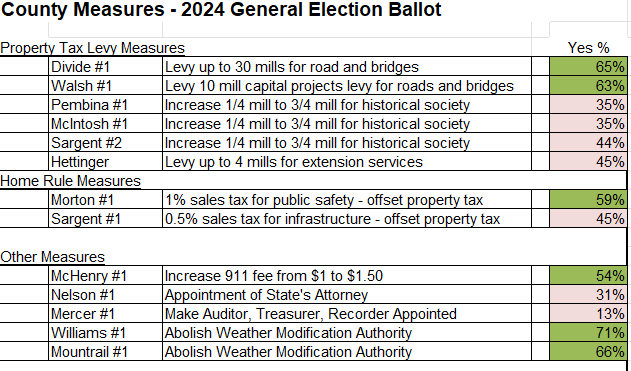
County Measures were more mixed. Divide and Walsh counties had measures to increase taxes for roads and bridges which passed with more than 60% support. Three counties had proposals to increase taxes for historical society and one with an increase for extension; those measures failed. Two counties proposed a sales tax increase to offset property taxes. A 1% sales tax increase in Morton County was approved to be dedicated to public safety. However, a .5% sales tax for infrastructure in Sargent County was defeated. McHenry County residents approved increasing the 911 fee to $1.50. Measures to allow counties to appoint officials failed in Nelson and Mercer. Voters in Williams and Mountrail approved abolishing Weather Modification Authority.

There were many county races as well. 115 Commissioners were on the ballot with only 48 incumbents running unopposed. There were 39 newly elected commissioners.

Legislative Races

Republicans have retained supermajorities in both the North Dakota’s House and Senate. In the House, Republicans won 46 of the 51 available seats. 25 seats were up in the Senate, with Republicans winning 22 of the races.

Voters Show Up

A record number of North Dakotan’s cast their ballots before Election Day with 51% voting early or voting absentee. 62.5% of eligible voters cast 371,510 ballots. Election results are unofficial until county canvassing boards meet on November 18th and are certified by the State canvassing board on November 20th

Who the Top Property Taxpayers are in ND

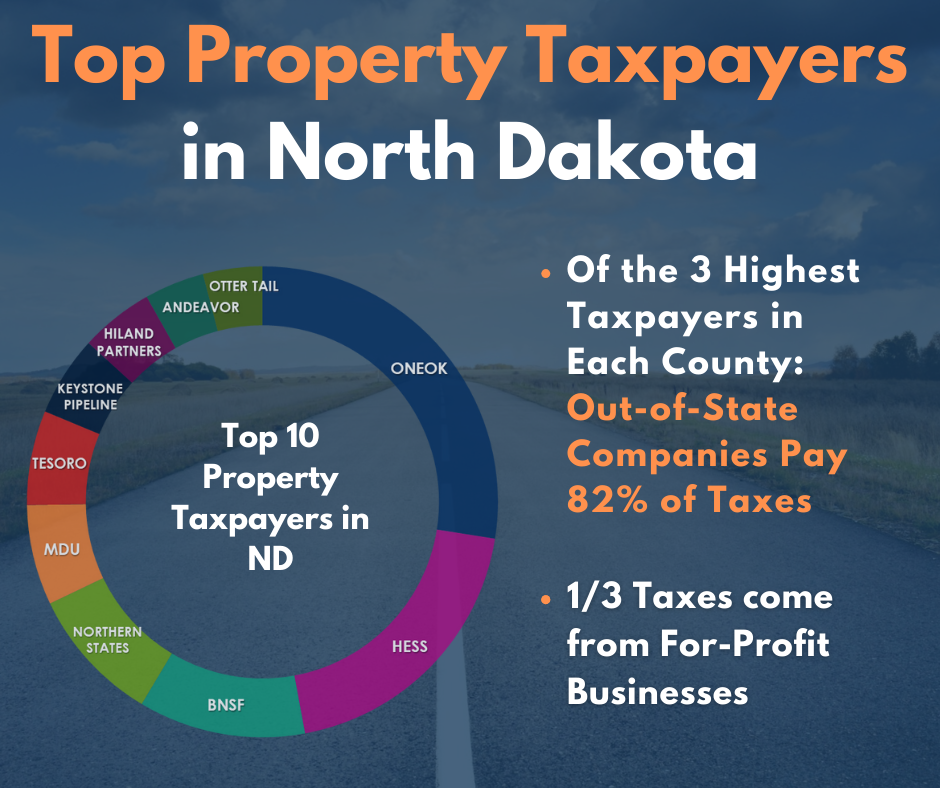
The North Dakota Association of Counties conducted research on the top 3 property taxpayers in each county. The findings are very informative. Here’s a summary:

  • Of the 3 highest paying taxpayers in each county: Out-of-State companies pay 82% of the taxes.
  • 77% of the 3 highest paying taxpayers are out-of-state companies.
  • The 3 highest paying taxpayers in each county pay $90 million in taxes.
  • The highest 3 taxpayers pay as much as 35.5% of all taxes billed (Oliver) to less than 2% (Cass).

Click to view a list of the Top 3 Taxpayers in each county

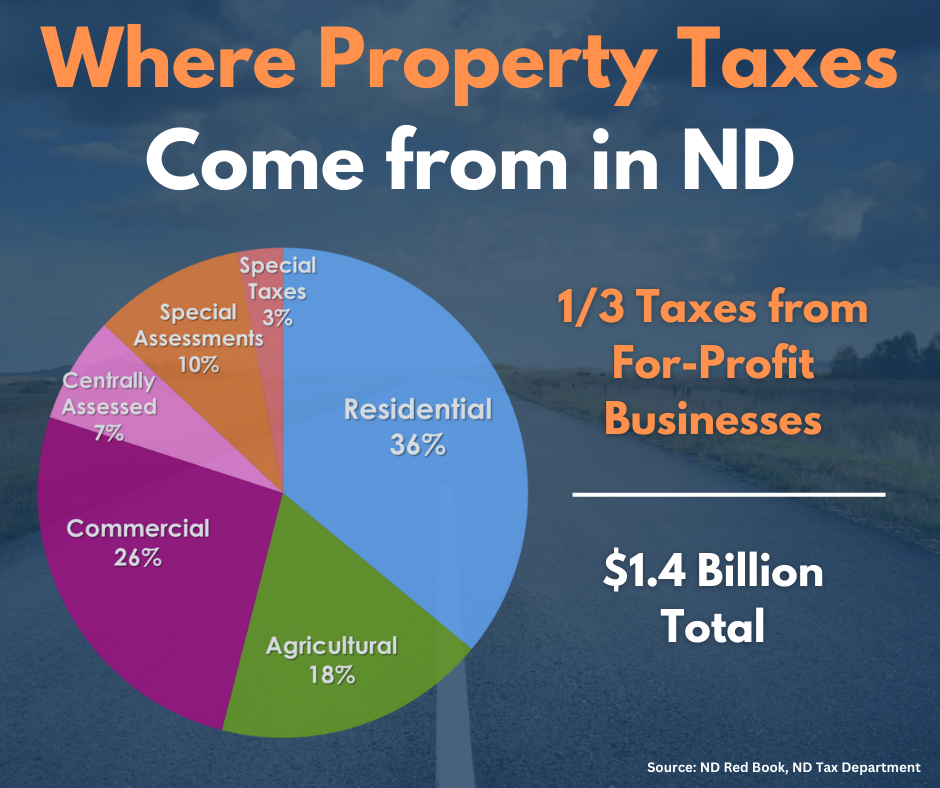
These points highlight who the real winners are if property taxes are eliminated. The measure goes far beyond providing property tax relief to North Dakota homeowners. In fact, only 36% of property taxes come from residential properties. Homeowners pay $513 million a year in property taxes or 36% of the total.  Commercial and Centrally Assessed combined pay $459 million a year or 33% of the total. The other third of property taxes are paid by Agricultural, Special Assessments and Special Taxes. Bottom line, if the measure passes, big businesses – which a majority are out-of-state – will realize a tax break at the expense of North Dakota residents.

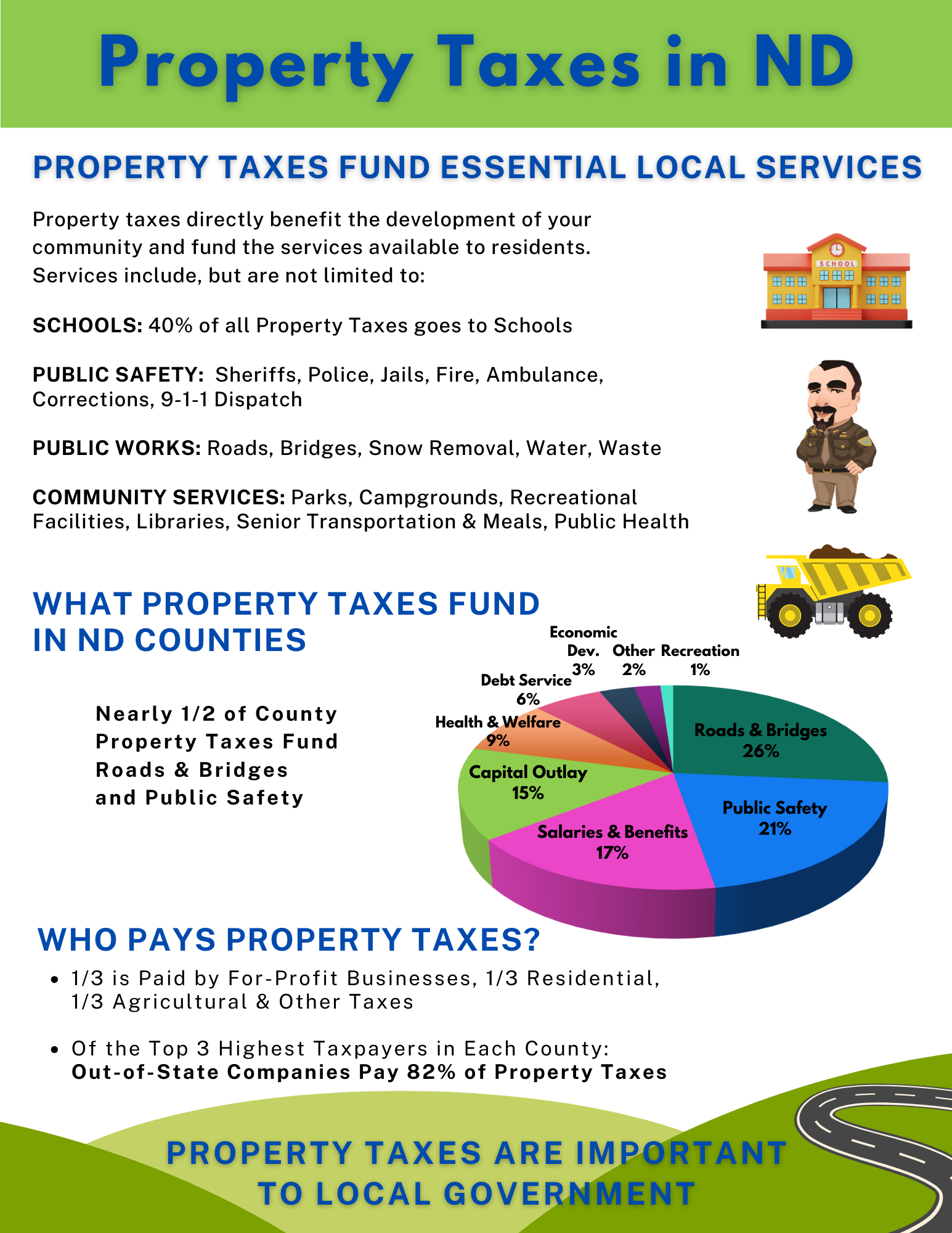
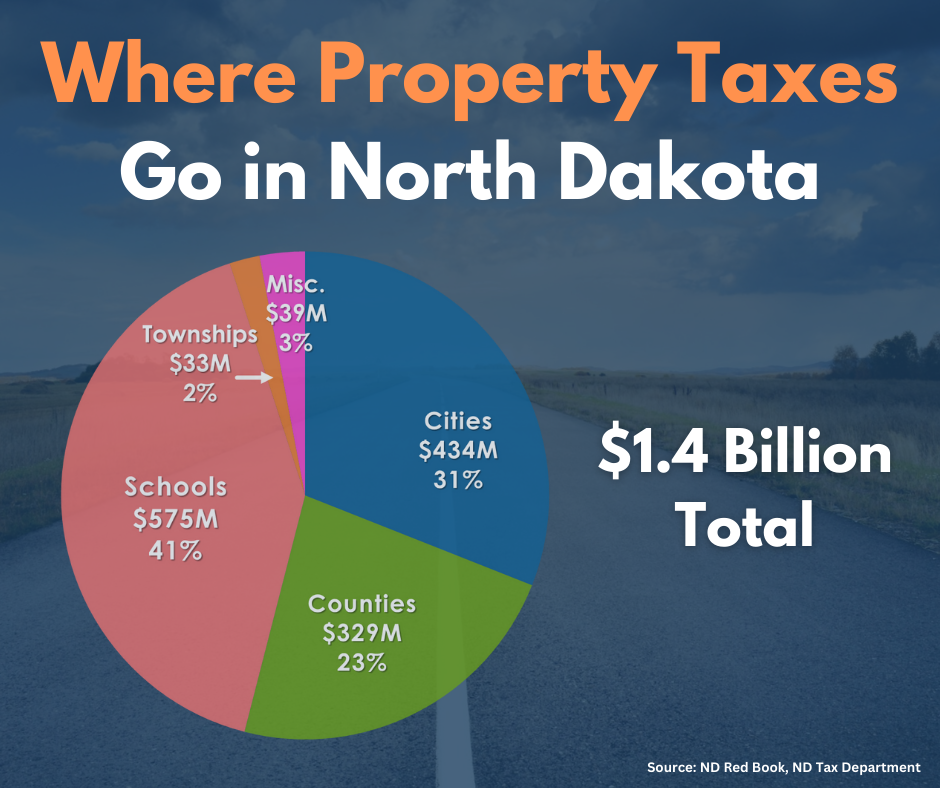
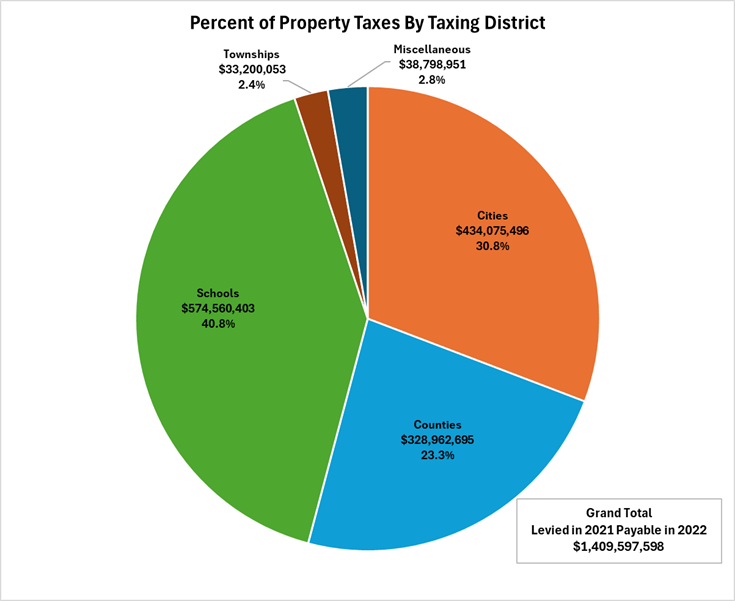
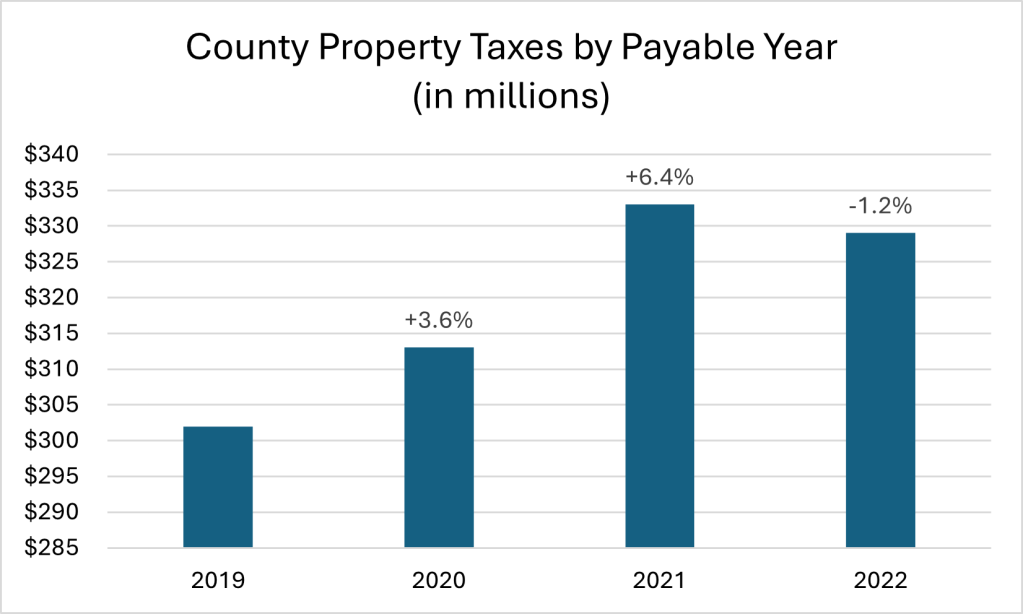
Statewide, counties collect 23% of the total $1.4 billion in property taxes every year. Nearly half of those funds are dedicated to roads and bridges and law enforcement. In addition, counties on average cut property taxes 1.2% in 2022.

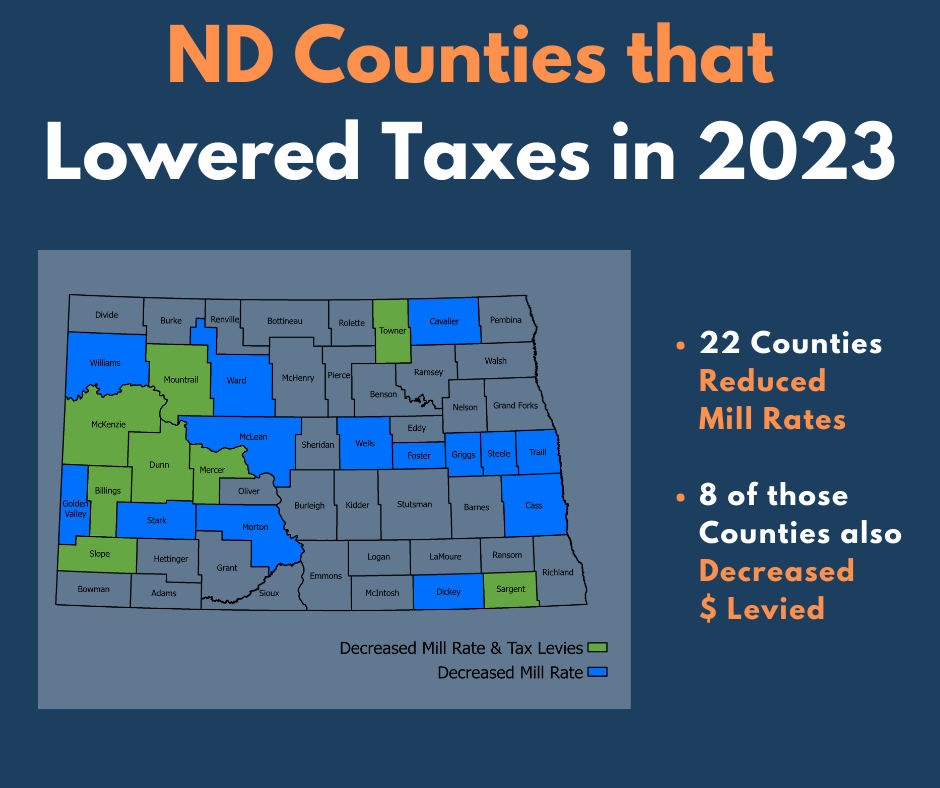
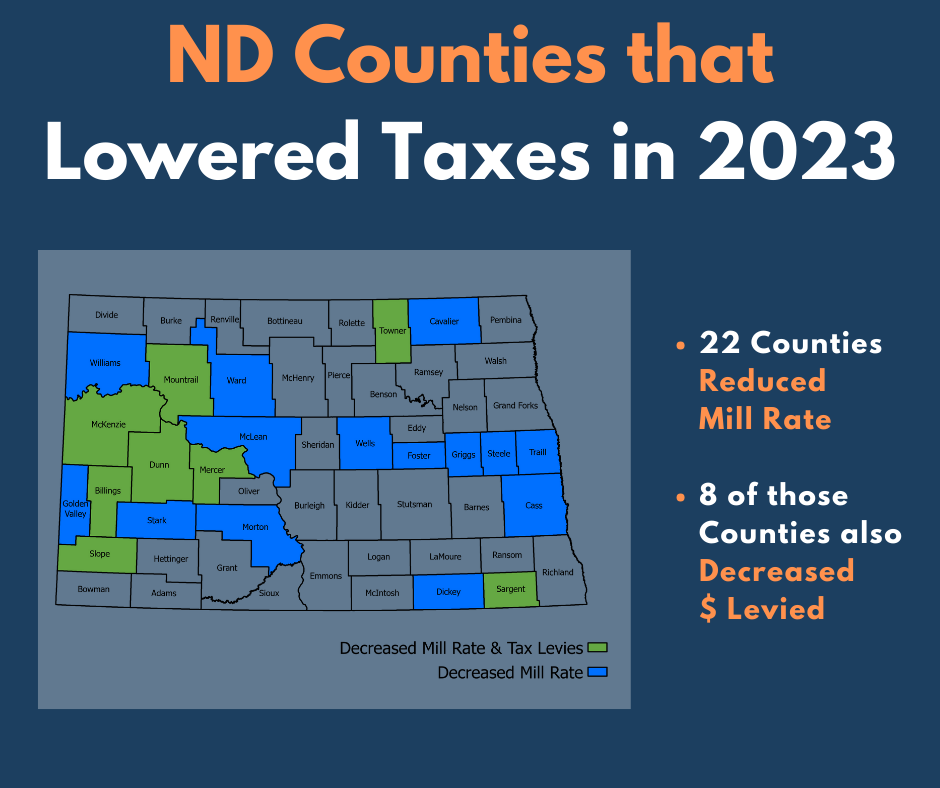
New analysis also shows that from 2022 to 2023, 22 counties reduced their mill rate and eight of those counties also decreased the dollar amount levied. This is great news and illustrates how counties are being responsible with their budgeting and addressing the needs of their communities.

Counties recognize the frustration many residents have with property taxes; however, they are necessary. Property taxes are controlled and spent where they are raised and fund vital services that benefit property owners. The Tax Foundation’s 2024 annual analysis of tax structures in the U.S. ranked North Dakota 7th best in property taxes. If the measure would pass, North Dakota would be the first state without property taxes. The estimated cost of this plan is $3.15 billion a biennium. That is half of the state’s general fund budget. This means lawmakers will more than likely cut other state programs, many that benefit local communities like state support for local roads, schools and senior programs.

Measure 4 requires the state to fund local governments based on property taxes collected in 2024…forever. There is no plan for growth or inflation. No county can build and maintain roads at 2024 levels or operate the Sheriff’s Department five years from now at today’s cost. Same goes for any of the political subdivisions providing local services.

There are many discussions occurring on how to further relief and reform. NDACo is willing to work together with legislators to find solutions that strike the right balance of allowing local control and funding local services, while addressing effective limits.

NDACo has developed a package of resources for counties to use in education on property taxes. Click here to view the informational documents.

ND Counties Reduce Property Taxes in 2022

Tax policy is at the center of legislative discussions in preparation for the 2025 Session. The conversations are fueled by the potential property tax elimination measure and pressures to improve the tax system. Interim legislative committees recently met and discussed tax exemptions along with impacts of potential limitations on local political subdivision budgets and levies.

In preparation, NDACo dove into county property tax data, which provides accurate information on the level of taxation, changes to those amounts and how counties are using those dollars. The total amount of property taxes levied in ND in 2022 was $1.4 billion with counties levying 23% of the total property taxes. 

When looking at property values, the information isn’t separated out by taxing district but is representative of statewide values for all property classes. From 2019-2022 property values have increased 11% or an average of 3.6% each year.

“Property values going up reflects growth, that’s a good thing. But when values increase because of growth and development so does the increase in need for services,” said NDACo Executive Director Aaron Birst. “Counties are very much opposed to capping any kind of value increases. It is our opinion that would be a disaster and cause inequities between homeowners that in the long haul, citizens would not appreciate. As you look for solutions, caps on valuations are not the way to go.”

Just because values went up does not mean property tax and county budgets increased. Counties, on average since 2019, saw a 3% increase in growth. “What county folks don’t get credit for is that there were counties that reduced their budgets. In fact, from 2021 to 2022 counties saw a decrease of 1.2% in property taxes collected,” Birst explained. It’s also important to note that during that same time frame the Consumer Price Index grew from 4.7% to 8%.

WHAT DO COUNTIES PAY FOR?

One-third of county expenses are funded by property taxes. Nearly half of county expenditures are dedicated to roads and public safety.

CITIZENS APPROVE MEASURES TO INCREASE TAXES

Despite what many may think about North Dakotans’ view of property taxes, recent measures on the ballot to increase taxes to pay for specific local services illustrate that citizen’s support. In the 2022 and 2024 election cycles, there were 57 county measures on the ballot to approve additional or increasing levies. 52 of the 57 measures passed, that’s a 91% approval rating. This strongly signifies that if citizens believe the service benefits their community, they support it.

PROPERTY TAX EXEMPTIONS

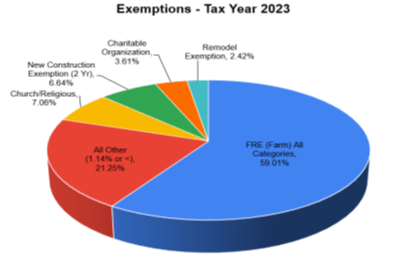
NDACo was also asked to provide information on property exemptions. A survey was sent to all County Tax Directors, 52 out of the 53 counties responded. Throughout the state there are 25,000 parcels that are exempt from paying taxes. NDACo traditionally has opposed expanding property tax exemptions as these exemptions spread the tax burden to other taxpayers in the county.  Of note, the data shows nearly 60% of the exemptions are farm related.

Other interesting findings are:

  • Cass County has the highest number of exempt parcels at 3,031
  • Renville County reported the fewest number of exempt parcels at 124 (121 are farm related)
  • New Construction/New Business exemptions account for 50% of total count in Cass County
  • 73% of Stutsman County’s exemptions are farm related
  • Walsh County reported the highest number of Charitable Organization exemptions

Link to view the survey results HERE

FURTHERING TAX RELIEF & POLICY CHANGES

NDACo has been asked about caps to valuation along with limiting the growth of property taxes collected and budgets and what the impacts would be on counties. Birst explained that when considering caps as a potential mechanism, it’s realistic that most political subdivisions will take that percentage every year regardless of whether they need to or not because the next year is unknown. In addition, because counties are not equal in population, economic activity or budget, a percentage cap is going to impact counties differently. “Caps may not be the answer in satisfying those who are upset with property taxes,” said Birst.

Leading up to the 2025 Legislative Session this discussion is sure to continue. There are many ideas and thoughts on potential tax relief and policy changes. NDACo has been involved in numerous discussions with legislators, other associations representing political subdivisions and the business community on these concepts. NDACo will continue to partner in these discussions to improve the system. 

It’s also important to highlight the significant relief approved in the 2023 Legislative Session. Lawmakers approved a $500 property tax credit for primary residences, expanded the homestead tax credit by increasing eligibility for those 65 and older and reduced the state’s income tax. The Tax Foundation recently reported that North Dakota had the 7th lowest state-local tax burden in the nation in 2022.  

Lawmakers Approve 14 Bills in Special Session

North Dakota Legislators were called back to the capitol for a special session this week to address the 2023-2025 appropriations bill for the state Office of Management and Budget. The bill also included several items both appropriations and policy related. Governor Doug Burgum called the special session as a result of the North Dakota Supreme Court issuing a ruling finding the OMB budget bill unconstitutional, ruling it violated the state Constitution’s single-subject rule.

Legislative Council developed 14 bills – seven appropriations and seven policy bills for introduction. Two committees, a joint appropriations and joint policy committee made up of both House and Senate members, heard the bills Monday and Tuesday and provided recommendations.

In addition, the House, through a rare floor action, approved the introduction of a bill to expand income tax relief. House members passed the bill, however, the Senate defeated the proposal.

The other issue that garnered the most discussion during the special session was the make up of the North Dakota Public Employees Retirement (NDPERS) board. That legislation is described below along with a summary of other bills of interest. The bills obviously included much more but highlighted below are items that were changed from the bill as it was passed in April and have county impact. More detailed information on the bills can be found here: https://ndlegis.gov/assembly/68-2023/special

NDACo – 2023 Special Session Summary

1547 – PERS Board Make Up

Change: Increases PERS Board membership from 9 to 11 members.

Board will include 4 Legislators (2 House & 2 Senate appointed by Majority Leaders), 4 “citizens” appointed by Governor (non-elected), 3 elected by employees. (increased from 2 to 4 legislators on board)

Appointed positions are “at will” and can be replaced at any time by majority leader / Governor.

Board Transition: All current appointed members are terminated; new board to take over 14 days after bill goes into law.

1548 – PERS Transition Effective Date

Change: Effective date amended so that PERS Board can approve transition from Defined Benefit to Defined Contribution when PERS is ready versus waiting until end of year.

Ensure “best in class” options for existing and legacy employees and include annuity options.

This would guarantee those in the DB plan have the same level of investment options as those in new DC plan.

2393 – OMB Appropriation

Change: Increased the amount Emergency Commission has authority to spend from $400,000 to $750,000 to be available for variety of needs that may arise.

2394 – Snow Grant Extension

Change: Provides an extension and additional funding for snow removal grants.

$106,000 is appropriated to provide additional 2021-23 snow removal grants to local entities that did not receive a snow removal grant during the 21-23 biennium and submitted its application and required documentation to DES prior to 10/20/23.

This will address some local entities who missed deadline but qualified for the grant.

1543 – Facility-Related Grants Appropriation

Includes $8,250,000 for behavioral health facility grant in western North Dakota (badlands human service center service region).

Matching funds required and grant-receiving entity must operate facility for a period of at least ten years.

New language added to allow for $6.4 million to be used to expand community services by transitioning to a Certified Community Behavioral Health Clinic if DHHS is unable to secure a grant recipient.

2396 – Distribution of Controlled Substance

A Felony for anyone who delivers controlled substance or supplies to be delivered or consumed and leads to death. Bill is aimed at addressing fentanyl overdose deaths.   

1549 – Income Tax Relief

House approved introduction of bill.

$45.8 million to increase the bottom (zero) bracket. The expansion would allow for 50,000 additional taxpayers to pay 0%. Individuals with incomes $60,000 (single) & $100,000 (married) would fall in zero bracket.

Passed House/ Failed Senate

Governor Burgum Calls for Special Session – Legislature to Return October 23rd

North Dakota lawmakers will return to the Capitol October 23rd to address a major budget bill. Governor Burgum called the special session in response to the Supreme Court rejecting Senate Bill 2015, which among many things included funding for the Office of Management and Budget. The North Dakota Supreme Court ruled last month that the bill violated the state’s constitution because it contained numerous appropriations and policy issues and did not focus on one topic. The legislature needs to meet before the end of the month before funding runs out for OMB.

Legislative Council has already drafted 14 bills (7 appropriations and 7 policy) that were part of SB 2015. Legislative Management met Tuesday to review those bills and discuss how to best organize ahead of the Special Session. There was considerable discussion during the meeting as to whether or not other bills should be allowed along with the committee structures during the Special Session.

Legislative Management set a deadline of 5 pm Thursday for bill drafts or bill concepts to be submitted to Legislative Council. Legislative Management will meet Friday to decide what bills will be considered during the Special Session. House Majority Leader Mike Lefor said any new bills should be limited and emergent, meaning they can not wait to be heard or addressed until the next legislative session in 2025. There will be a joint Appropriations committee made up of House and Senate members along with a joint Policy committee that will be comprised of House and Senate policy committee chairs.

Lefor indicated that part of the discussion that led to the decision to have the Governor call for a Special Session was for the Legislature to consider some of the Governor’s proposals including energy, tax relief and infrastructure. There was no further discussion in committee as far as what those proposals include.

With the Governor calling for the Special Session, bills are approved by a majority vote and will become effective immediately after he signs them.

Legislative Wrap Up Materials

This week, the NDACo Legislative team provided the Legislative Wrap Up Report to our members. If you weren’t able to attend it live, you can request a recorded copy from Alisha Adolf, Professional Development Manager (ILG) at alisha.adolf@ndaco.org.

The following are materials used in the Legislative summary:

County News: 2023 Legislative Session Summary

Major Bills Spreadsheet

2023 Legislative Wrap Up Report – Presentation

Legislature Adjourns Early Sunday Morning

The 68th Legislative Assembly worked straight through Saturday on two remaining bills until final approval and adjournment shortly before 3 a.m.

The budget for the Office of Management and Budget (SB 2015) is traditionally the last bill to be negotiated and ends up being the bill where any corrections or last minute attempts at getting dollars for a particular issue or project is pitched. This relatively simple budget bill collected numerous amendments (in this case 35) by the time it became law.   One such amendment was a required study of guardianship programs that came on the heels of a surprising, but much needed, increase to the guardianship program managed by NDACo.  This budget item was increased from $2.45 million to $7.1 million.   

Another important “county amendment” to SB 2015 was the inclusion of an additional $5 million in snow removal grant funds for county, township, city and tribal governments, to be administered with the earlier passage of SB 2183 through DES.  These funds will allow reimbursement up to 60% of eligible snow removal costs, as opposed to the 50% in SB 2183.

The OMB budget also included an appropriation and a requirement to contract for a performance audit of the State Auditor’s office.  This comes in response to the concerns raised largely by political subdivisions due to unanticipated audit costs from the State Auditor’s office.   

A number of amendments to the OMB budget addressed the closure of the NDPERS Main Defined Benefit plan to new employees.  Several provisions address the statutory changes and state costs associated with an 1% employer and 1% employee contribution increase, and a “fail-safe” provision was added to allow the NDPERS Board to delay plan closure by a year if the newly created Defined Contribution plan for new governmental employees is not operational by the end of this year.

The largest funding bill of state government, SB 2012 –the Dept. of Health and Human Services, was finalized with a total appropriation of $5.4 Billion dollars, of which just short of $2 Billion is state funds. This is an overall 19% increase. The DHHS budget is incredibly complex and its growth is driven largely by provider reimbursement increase to long-term care facilities, doctors, hospitals, treatment facilities and programs, child care facilities, and providers of services to the developmentally disabled.  Notably the budget also includes $12.5 million to begin the process of building a new state hospital in Jamestown – a project discussed by legislators for decades, and fairly sizeable increases for behavioral health.  Child care funding support as a workforce issue was much discussed in this budget, but that issue was largely addressed in a delayed stand-alone bill, HB 1540.

As in the last two biennia, the funding for 100% of the direct costs of Human Service Zones and approximately 25% of the county’s indirect costs are funded through this budget.  That portion of the budget grew about 4% overall, ending up at $197.7 million and just shy of the $200 million in the oil tax “bucket” created for this purpose.   As with all state budgets, employee salary levels were increased 6% for the first year of the biennium and 4% for the second year.  As close to 90% of the Zone appropriation is for staff cost, most of the growth is directly related to those inflators, as well as some funding for anticipated increases in health insurance premiums.  One of the last issues to be decided by the SB 2012 conference committee was “equity funding” for zone employees.  This was discussed last session and a study was commissioned to examine the issue over the interim. Inequities were identified within and among zones as well as with the state DHHS employees.  Although the original executive budget had $10 million for making equity adjustments of the State employees, no money was recommended to address the zone employees.  The study suggested a need of $3.75 million to address zone salary disparities, and another $8.5 million to address the differences in employee contributions to health insurance.  An attempt to resolve this issue by moving all zone employees from host county employment to state employment was unsuccessful, but this led to resistance to fully addressing zone equity.  Ultimately the bill included $3.75 million for salary adjustments beyond the 6%/4% increases, but nothing for the health insurance premium differentials.

One policy section of SB 2012 was added requiring each zone board include “at least one member of the legislative assembly.” This was added at the request of a legislator that sits on a zone board and feels it is crucial to understanding human service delivery. This bill is effective July 1, 2023, but it is unclear how quickly this is to be implemented within current appointment terms. 

SB 2012 also includes funding for a new initiative for local law enforcement to assist individuals experiencing a mental health crisis. $2.65 million will go towards law enforcement telehealth program that will benefit county Sheriff’s and jail facilities. The concept is to outfit patrol vehicles with tablets that can be used to connect individuals with mental health professionals. The telehealth initiative hopes to address a gap identified in the state for mental health treatment options in the state. Once implemented, this project could be an alternative to bringing an individual to a hospital or jail. The program has been piloted in South Dakota with success.

Other action worth updating since our last blog post…

The NDSU Research and Extension funding bill (HB 1020) contains six different budgets, two of which are significant to counties.   These two budgets support the Upper Great Plains Transportation Institute (UGPTI) and the County Extension system. 

UGPTI was funded at the same level as the current biennium with the salary and benefit increases agreed upon for all of state government.  This budget will allow the continuation of the local roads study and continued support for the GRIT database.  Additionally, $408,000 was added for a new freight and logistics study. 

County Extension was also funded at its current level with compensation increases, while adding one additional soybean pathologist and a swine specialist.  $80,000 in additionally operating funds for 4H was also included.

The House ended up killing a bill that attempted to set minimum sentences for gun crimes and offenses against officers. HB 2017 was introduced by Attorney General Drew Wrigley but was changed several times throughout the session. The bill went to conference committee and met resistance in the House. It was sent back to conference committee with new House members appointed, but conferee’s were unwilling to re-work the bill. The conference committee stripped the bill of a majority of the language with only a study of firearm possession remaining. The House then killed the bill.

Your NDACo Legislative Team will be working on a legislative summary of the session. And as a reminder, NDACo will be hosting a Legislative Wrap Up Webinar Monday, May 8th from 10-12 p.m. Register here: https://attendee.gotowebinar.com/register/1651268982980163931